How should a school handle photo and video consent when parents sign a field trip permission slip?
Plenty of families say yes to the trip and no to the pictures. Here is how to ask both questions cleanly, and how to get the answer to the adult holding the camera.
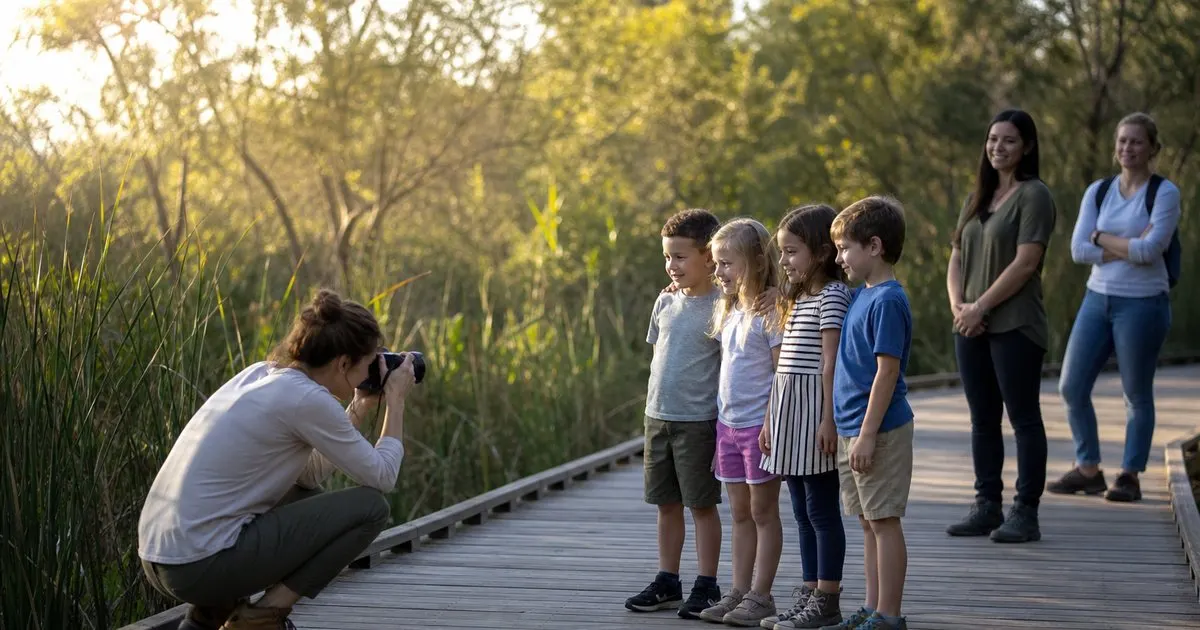
Photo consent is a separate decision from trip consent
A family can be completely comfortable with their child riding a bus to the aquarium and completely uncomfortable with that child's face appearing on the school's public social account. Those are two different questions, and one signature line forces parents to answer both at once. When you bundle them, the safest move available to a cautious parent is to not sign at all, which is how you end up chasing a family who actually wanted their kid on the trip. Keep trip consent and image consent as separate lines, each with an explicit yes or no. Related: Are typed parent e-signatures valid enough for a school field trip permission form?
There is a records reason too. Trip consent expires with the trip. Image consent keeps mattering: a photo taken in October can sit in a yearbook file, a newsletter draft, or a website gallery for years. If both answers live on one checkbox, you can never cleanly answer the later question of whether this family agreed to this picture being published without reopening the entire form. Two fields, two answers, two things you can look up independently.
Keep reading: How can teachers collect field trip permission slips without chasing paper all week?, Are typed parent e-signatures valid enough for a school field trip permission form?, What is the fastest way to get every parent to return a permission slip on time?. See how SlipSignr helps you school permission slip signing and collection.
What the consent question actually needs to say
Name the uses, not the medium. Asking whether you may photograph or record a child during school activities is too vague to be useful to anyone. Better is a short list of where images may appear: internal classroom use and printed class materials, the newsletter that goes to families, the school or district website, public social media accounts, and local news coverage if a reporter attends. Many parents will say yes to the first two and no to the last two, and a form that only offers all or nothing pushes those families to no.
State the limits as well. No full names published next to a photo without a separate ask, no tagging students, no use in fundraising or advertising material. Add a line about who may take pictures on the trip, since staff and a designated photographer is a different policy from every chaperone with a personal phone. A rule about other parents photographing the group is worth writing down even though you cannot fully enforce it. Finish with a sentence saying a no has no effect on the child's participation, because some parents quietly assume it will.
Getting the opt-out list to the adult with the camera
Consent that gets collected and then filed is consent nobody uses. The failure mode is predictable: a teacher gets a lovely group shot at the tide pools, posts it that evening, and a week later someone notices a student whose family opted out. Before departure, the trip lead needs a short list of those students, on paper or on a phone, and every adult who might take photos should have seen it. On a large trip, a small mark next to the names on the group roster works better than a second sheet that gets left in the van. Related: How can teachers collect field trip permission slips without chasing paper all week?
Then build a habit that does not depend on memory. Take group photos deliberately rather than continuously: pick your moments, and give the opted-out students a role that keeps them out of frame and does not feel like a punishment, such as leading the line or helping the chaperone count heads. Review the batch before anything is published, not after. If something is already public and you find a mistake, take it down first and tell the family yourself before they find it.
Changes, withdrawals, and how long the answer lives
Consent should be revocable and parents should know how. One sentence on the form saying they can change the answer at any time by contacting the office prevents a tense conversation later. When a family does withdraw permission, the practical question is scope. Going forward is easy. Already published images take a specific request, so remove what you control and be honest that a newsletter already sent to hundreds of inboxes cannot be recalled. Related: What is the fastest way to get every parent to return a permission slip on time?
Decide how long an image answer stands. The common pattern is annual: collected at registration, reconfirmed each school year, and referenced by trip forms rather than re-asked on every slip. That only works if the answers sit somewhere staff can check in seconds. If image consent lives in a paper file in a cabinet and the trip leaves Tuesday, staff will guess, and guessing is where the mistakes come from. Whatever you use, the honest test is whether a substitute could find one student's answer in under a minute. Related: What information should a school permission slip collect beyond a simple yes or no?
- Ask about images on their own line so a cautious parent can say yes to the trip and no to the photos.
- List the actual places a picture could appear instead of asking for blanket permission to photograph.
- The opt-out list has to reach every adult with a camera before departure, not sit in a folder at school.
- Make image consent revocable, refresh it once a year, and store it where a substitute can check it fast.

Julien Jimenez
Julien Jimenez is an independent software builder based in Paris. He designs, ships, and operates focused SaaS products for small businesses and independent professionals. Read the full author page.
Signed slips, back in a day
School permission slip signing and collection. SlipSignr is built to help you put this into practice.
Start collecting slipsMore from the SlipSignr blog



Get the SlipSignr playbook
Practical guides on school operations, straight to your inbox as we publish them. No spam, unsubscribe any time.