When should a school use a blanket annual permission form instead of a slip for every outing?
One form in August sounds efficient, but it has limits. Here is where annual consent works, where it does not, and how to combine the two approaches sensibly.
What a blanket form can reasonably cover
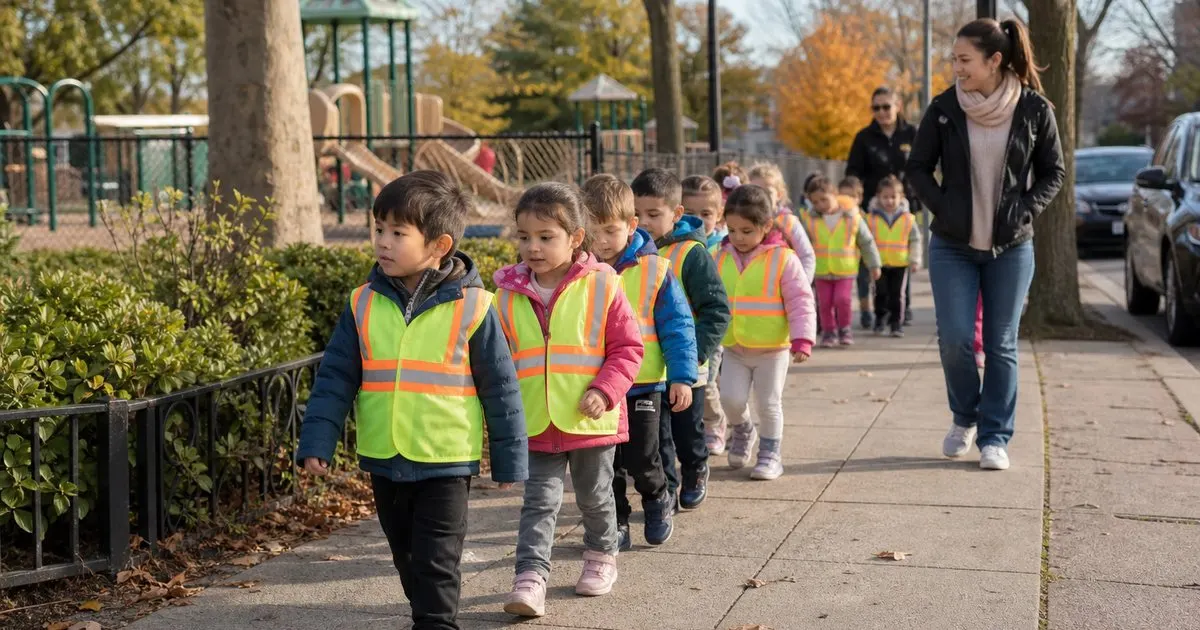
A blanket or annual permission form works best for low-risk, repeated, local activities that families can genuinely picture in advance: walking trips within a few blocks of school, visits to the public library, use of a neighboring park for PE, or a standing partnership with a community garden. The activities are predictable, there is no transportation beyond walking, and the supervision looks like a normal school day. Parents can consent to that category once because the category is clear.
A blanket form is also a good place for things that are not really trip-specific: acknowledgment of the school's general supervision practices, the standard emergency treatment authorization, and the medical and allergy information that stays constant. Collecting those once in the fall and keeping them current means every later per-event slip can be shorter, because it only needs to add what is new about that particular outing. Related: What is the fastest way to get every parent to return a permission slip on time?
Keep reading: How can teachers collect field trip permission slips without chasing paper all week?, Are typed parent e-signatures valid enough for a school field trip permission form?, What is the fastest way to get every parent to return a permission slip on time?. See how SlipSignr helps you school permission slip signing and collection.
Where per-event consent is still the right call
Anything involving a bus, a body of water, an overnight stay, a physical activity with real injury potential, a venue with its own waiver, or a cost should get its own form. Parents cannot meaningfully consent in August to a rafting trip in May they have never heard of. Many districts and their insurers require per-event consent for transported trips regardless of what a blanket form says, so check policy before assuming the annual form covers you.
Per-event forms also serve a communication purpose the blanket form cannot. They tell the parent the date, so they can plan pickups and pack lunches. They surface a change in a child's health since the fall. And they give a parent an opportunity to say no to one specific activity without withdrawing consent for everything. That option matters to families, and it protects the school from the argument that a parent did not really agree to this one.
A hybrid that most schools land on
The common pattern is an annual form that covers walking-distance, low-risk outings and captures the constant information, paired with a short per-event slip for anything with transportation, cost, or elevated risk. The per-event slip then becomes a half page: what, where, when, cost, anything different about supervision or attire, and a signature. It references the annual form for the medical and emergency details rather than asking for them again. Related: What information should a school permission slip collect beyond a simple yes or no?
Even for activities the annual form covers, send a brief notice before each outing. Not a consent request, just a heads up: "We are walking to the library Thursday morning." Parents who signed the blanket form in August still want to know when it is being used, and the notice gives them a chance to raise something, like a sprained ankle, that the form could not anticipate.
Keeping a blanket form honest over the year
A blanket form is only as good as its currency. A child diagnosed with a food allergy in January is not reflected on a form signed in August unless someone updates it. Build in a mid-year check, even a simple has-anything-changed message, and make it easy for a parent to update the constant information without redoing the whole form. Digital systems make this a matter of editing one field; paper means a new form. Related: How can teachers collect field trip permission slips without chasing paper all week?
Also make the scope of the blanket form visibly specific. "Local walking trips within a half mile of campus during school hours, supervised by school staff" is consent a parent can understand and later recall agreeing to. "Field trips and activities" is not. When a parent later says they never agreed to something, the specificity of the original form is what settles it. Vague blanket forms create more disputes than they save in paperwork. Related: Are typed parent e-signatures valid enough for a school field trip permission form?
- Blanket forms suit predictable, local, low-risk, walking-distance activities and the information that stays constant all year.
- Anything with a bus, water, an overnight, a cost, or real injury potential still needs its own slip, and district policy may require it.
- The hybrid approach lets per-event slips shrink to a half page that references the annual form.
- Keep the blanket form current with a mid-year update and write its scope specifically enough that parents remember what they agreed to.

Julien Jimenez
Julien Jimenez is an independent software builder based in Paris. He designs, ships, and operates focused SaaS products for small businesses and independent professionals. Read the full author page.
Signed slips, back in a day
School permission slip signing and collection. SlipSignr is built to help you put this into practice.
Start collecting slipsMore from the SlipSignr blog



Get the SlipSignr playbook
Practical guides on school operations, straight to your inbox as we publish them. No spam, unsubscribe any time.