How can a school collect field trip fees alongside permission slips without handling cash in the classroom?
Loose bills in envelopes are a bookkeeping and equity headache. Here is how to link payment to consent, keep money out of the classroom, and quietly support families who cannot pay.
Why cash in the classroom is a problem worth solving
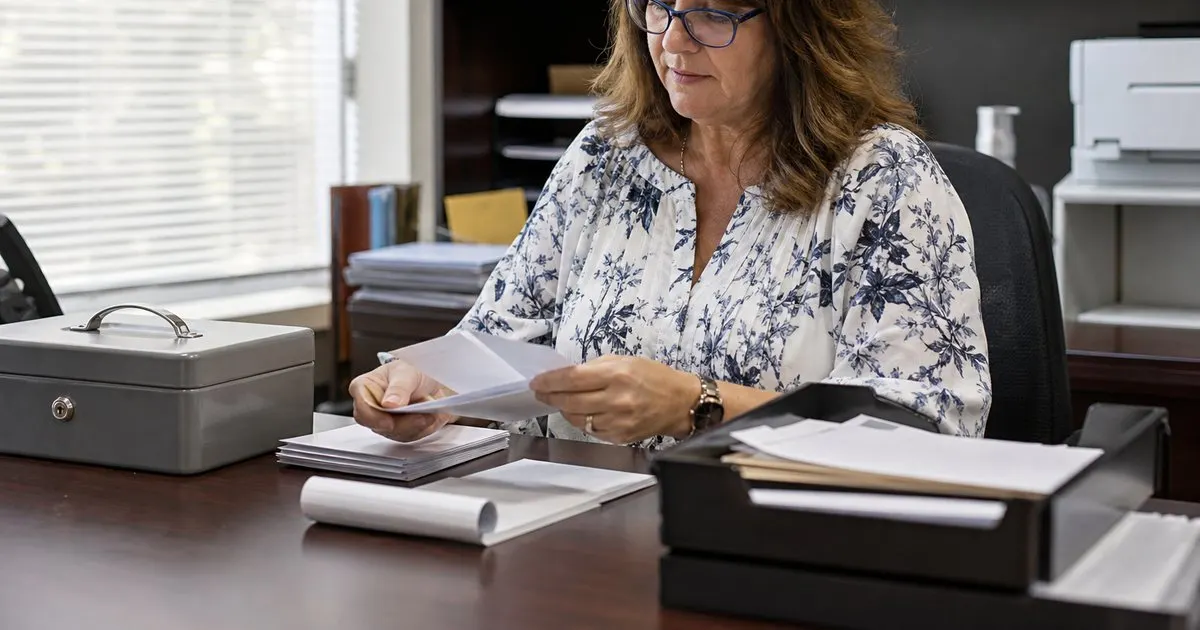
Teachers are not cashiers, and a classroom is not a secure place for money. When fees come in as bills in envelopes, the teacher has to count them, record them, keep them somewhere until they reach the office, and reconcile them against the consent list. Money goes missing, envelopes lose their names, and the teacher is the one answering for the discrepancy. District auditors also generally dislike cash moving through classrooms for exactly these reasons. Related: Can teachers reuse the same permission slip template for trips year after year?
The equity issue is quieter but just as real. A child who hands the teacher an empty envelope, or no envelope, is visible to the rest of the class. Fee collection through the classroom turns family finances into something students can see. Moving payment out of the room, into the office or into an online system, removes the audience.
Keep reading: How can teachers collect field trip permission slips without chasing paper all week?, Are typed parent e-signatures valid enough for a school field trip permission form?, What is the fastest way to get every parent to return a permission slip on time?. See how SlipSignr helps you school permission slip signing and collection.
Link payment to consent without merging them
Consent and payment are related but distinct. A parent may consent and be unable to pay; a parent may pay and then withdraw consent. Keep them as two fields tied to the same student and the same trip, so you can see at a glance who has done both, who has done one, and who has done neither. What you do not want is a single returned checkbox that hides which piece is missing.
The cleanest sequence is consent first, payment second. Send the slip with the fee clearly stated and a link or instructions for paying through the school's approved channel. Set the payment deadline the same as the consent deadline for simplicity, unless the amount is large enough to warrant a payment plan. Then your reminders can be specific: we have your form, we still need the fee, or the reverse. Related: What is the fastest way to get every parent to return a permission slip on time?
Use the school's approved payment channel, not a personal one
Most districts already have an online payment system for lunch accounts, activity fees, or fundraising, or a bookkeeper who accepts checks and cash at the office with a receipt. Route trip fees through whatever that is. Do not use a personal payment app, a teacher's own account, or a classroom fundraising page for fees, even with good intentions. Those create tax, audit, and trust problems for the teacher and the school.
If the district system cannot tag payments to a specific trip, ask the bookkeeper how they want fees labeled so reconciliation is possible. Then, if your consent tool lets you record a payment status per student, mark it there so consent, payment, and the trip roster live in one view. The goal is that the teacher never touches money and never has to reconcile two lists by hand. Related: How can I track exactly who has returned a permission slip across my whole class?
Handling families who cannot pay, without making it a thing
Many districts have a policy that no student is excluded from a curricular trip for inability to pay, and schools often have a fund, a parent organization line, or a quiet arrangement for waivers. The form should say, in plain language, that fee assistance is available and who to contact, so a parent does not have to ask the teacher in front of the child. Keep that contact in the office, not the classroom. Related: Are typed parent e-signatures valid enough for a school field trip permission form?
When a waiver is granted, record it the same way you record a payment, so the roster shows the student as clear to go and nobody asks about it again. Chaperones and other students should have no way to tell who paid and who received assistance. That is the standard to aim for: the trip is for everyone who has consent, and money is an office matter that stays there.
- Keep money out of the classroom; teachers should not count, store, or reconcile cash.
- Track consent and payment as two linked fields per student, never one combined checkbox.
- Route fees only through the district's approved payment channel or the office bookkeeper.
- State on the form that fee assistance exists and who to contact, and record waivers so nobody can tell who received one.

Julien Jimenez
Julien Jimenez is an independent software builder based in Paris. He designs, ships, and operates focused SaaS products for small businesses and independent professionals. Read the full author page.
Signed slips, back in a day
School permission slip signing and collection. SlipSignr is built to help you put this into practice.
Start collecting slipsMore from the SlipSignr blog



Get the SlipSignr playbook
Practical guides on school operations, straight to your inbox as we publish them. No spam, unsubscribe any time.